

 Back
Back


As urban landscapes evolve into vertical forests of glass and steel, the challenge of managing solar heat gain without sacrificing transparency has become the defining technical hurdle for 21st- century architects. New spectral selectivity technologies are turning the facade into a living lung.
Energy Efficiency at Scale
Modern skyscrapers are essentially giant thermal batteries. The traditional approach to cooling these massive structures relied on brute-force HVAC systems, consuming immense amounts of energy. However, the paradigm is shifting toward passive architectural interventions.
By integrating advanced thin-film coatings directly into the glazing units, we can now block up to 95% of infrared radiation while maintaining perfect visible light transmission. This delicate balance is what defines the “Lumina Stack” in high-end commercial projects.
The Science of Spectral Selectivity
Spectral selectivity is not merely a coating; it is an engineering feat at the molecular level. It involves layering precious metals—often silver or ceramic compounds—into stacks only a few atoms thick. These layers act as a filter, allowing visible light through while bouncing solar energy back to the atmosphere.
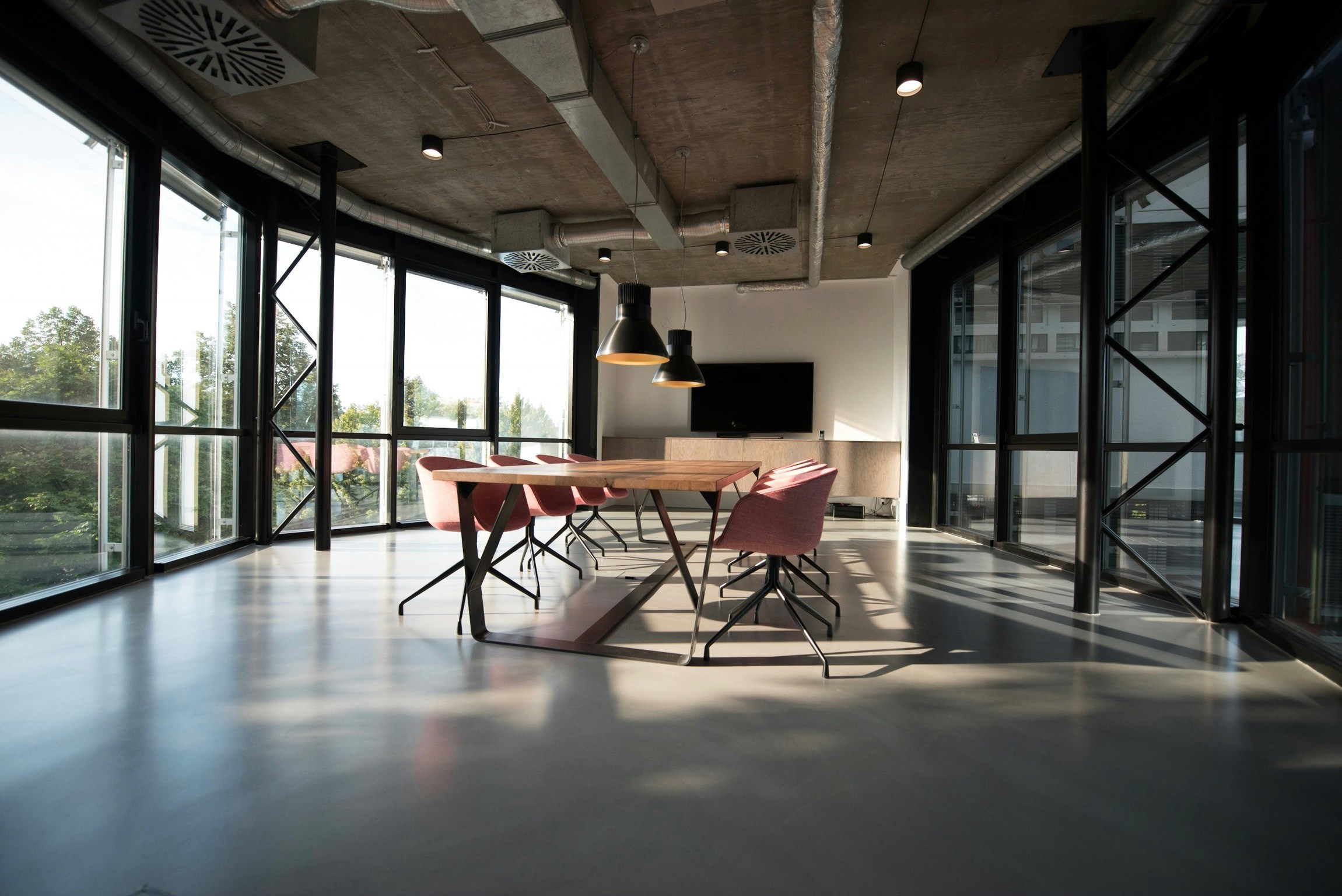 Interior light level maintained at 500 lux with 70% heat rejection applied to the facade.